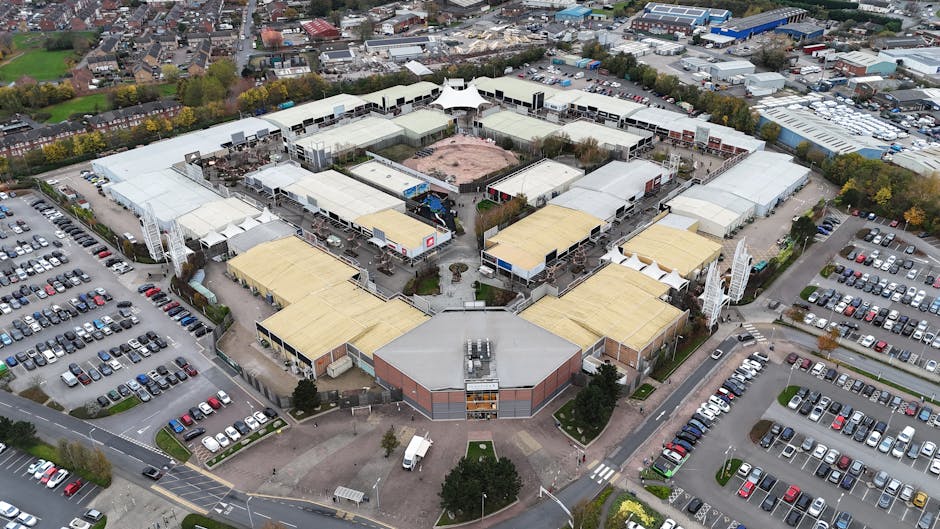
Brent Cross gardeners for flats near Brent Cross Shopping Centre: a practical guide to better balcony and communal green spaces
If you live in a flat near Brent Cross Shopping Centre, you already know the reality: outdoor space is usually tight, the wind can be awkward, and one neglected balcony planter can start looking tired fast. That is exactly where Brent Cross gardeners for flats near Brent Cross Shopping Centre can make life easier. Whether you have a small balcony, a roof terrace, a shared courtyard, or a modest communal entrance planting scheme, the right gardener can keep things neat, healthy, and genuinely pleasant to look at.
This guide explains how flat gardening works in a busy North London setting, what to expect from a professional service, and how to choose the right support without overpaying or signing up for something you do not actually need. You will also find a checklist, a comparison table, and a few practical examples drawn from everyday situations. Nothing fancy. Just the useful stuff.
Table of Contents
- Why Brent Cross gardeners for flats near Brent Cross Shopping Centre matters
- How the service works in flats and apartment buildings
- Key benefits and practical advantages
- Who this is for and when it makes sense
- Step-by-step guidance for getting started
- Expert tips for better results
- Common mistakes to avoid
- Tools, resources and recommendations
- Law, compliance, standards and best practice
- Options, methods and comparison table
- Case study or real-world example
- Practical checklist
- Conclusion
- Frequently asked questions
Why Brent Cross gardeners for flats near Brent Cross Shopping Centre matters
Flat living changes the way gardening works. In a house, you may have a decent patch of lawn, borders, and a side return that can cope with a bit of experimentation. In a flat, the space is usually smaller, more exposed, and shared with other people. That means the margin for error is thinner. Overwater a planter, miss a pruning window, or leave dead growth sitting there through a wet week, and the whole space can feel cluttered very quickly.
Brent Cross adds another layer. You are dealing with a busy urban environment, passing foot traffic, dust, changing light between buildings, and sometimes a fair bit of shade from nearby structures. Plants have to earn their keep. They need to look good, survive in containers, and not become a nuisance to neighbours below. A good gardener understands that balance. They are not just "doing gardening"; they are making compact outdoor spaces work properly.
For many residents, this matters for three reasons. First, it improves daily life. Stepping onto a neat balcony with healthy plants in the morning is a small thing, but it changes the feel of home. Second, it protects value and presentation, especially if you rent out the flat or host guests. Third, it prevents avoidable problems like blocked drains, messy leaves, unsafe overgrowth, or plant waste building up around communal areas.
Expert summary: Flat gardening near Brent Cross works best when it is treated as maintenance plus design. You are not trying to create a country garden in the sky. You are trying to make a compact space attractive, practical, and easy to keep that way.
If you want a broader view of what a professional team can handle, the services overview is a useful place to start, and the about us page helps explain the kind of local approach that matters in a neighbourhood like this.
How Brent Cross gardeners for flats near Brent Cross Shopping Centre works
Most flat-based gardening services begin with a quick assessment. That might be a phone conversation, a visit, or photos if access is awkward. The main goal is simple: understand the space, the light, the current condition, and what the resident actually wants. A balcony with three planters has different needs from a shared courtyard used by multiple households. Obvious, maybe, but people do miss this part and then wonder why the results are a bit off.
From there, the gardener usually builds a small, sensible plan. For some homes, that means regular visits for weeding, deadheading, feeding, and tidying. For others, it means seasonal work: spring planting, summer maintenance, autumn cut-back, and winter protection. In flats, the most effective service is often the one that keeps things simple enough to stick with.
Here is how the process often works in practice:
- Initial review: the size of the space, access, lighting, and plant condition are checked.
- Scope agreed: the job is narrowed down to the tasks that really matter.
- Access and timing planned: important in apartment buildings where entry, lifts, or concierge arrangements can affect scheduling.
- Work carried out: pruning, planting, container care, clearing, or general tidy-up.
- Waste removed or managed: where permitted and agreed, plant waste is bagged and taken away or handled responsibly.
- Follow-up schedule set: this may be weekly, fortnightly, monthly, or seasonal.
That structure keeps the service efficient. It also avoids the classic issue of doing too much at once. Truth be told, container planting can become a bit of a theatre production if nobody is clear on what success looks like.
For customers who want to compare service levels or understand what can be included, the pricing and quotes page is helpful, especially if you are deciding between a one-off tidy and regular care.
Key benefits and practical advantages
There is a difference between a garden that merely exists and one that actually feels good to use. That difference is especially obvious in flats, where outdoor space is often an extension of your living room. Good gardening does not have to be dramatic to be valuable. Sometimes the best result is just a balcony that no longer looks forgotten.
Here are the main benefits residents tend to notice:
- Better appearance: tidy planters, healthier foliage, and a space that feels cared for.
- Less day-to-day hassle: fewer dead plants, fewer overgrown corners, less guesswork about watering.
- Improved plant survival: the right pruning, compost, feeding, and drainage habits make a big difference in containers.
- More usable space: a compact terrace can feel bigger when it is uncluttered and well arranged.
- Safer, cleaner communal areas: especially important where residents, visitors, or contractors pass through regularly.
- Seasonal continuity: the space still looks decent in winter, not just for the first warm week of May.
A practical advantage that people often overlook is consistency. One-off work can make a place look better for a few days, sure. Regular maintenance is what keeps it from slipping back. That is the part that saves time and, in many cases, money too.
There is also a confidence benefit. When a flat garden is under control, you stop feeling slightly guilty every time you step outside with a cup of tea and notice the same sad pot staring back at you. Small win, but a real one.
If sustainability matters to you, you may also want to review the company's recycling and sustainability approach, because responsible green waste handling and sensible material choices are part of good flat gardening.
Who this is for and when it makes sense
This service is not only for people who love plants. In fact, many clients do not have much time for gardening at all. They just want the outdoor area to look presentable and stay manageable. That is perfectly fair.
Brent Cross gardeners for flats near Brent Cross Shopping Centre are a strong fit for:
- flat owners with balconies, terraces, or roof spaces
- tenants who want their outdoor area improved without taking on long-term hassle
- landlords preparing a flat for new occupants
- block managers responsible for communal planting or entrance areas
- busy professionals who do not have the time to water, feed, prune, and reset containers properly
- older residents who prefer reliable help with regular maintenance
It also makes sense when the space has a recurring problem rather than a one-off mess. For example, a balcony that keeps getting windburn, a planter that dries out too quickly, or a communal corner where weeds always return after rain. Those are signals that the space needs proper attention, not just a quick trim and a shrug.
On the other hand, if your space is rarely used and you only need a single seasonal tidy, a one-off visit may be enough. The right answer depends on how much you use the area and how much you want it to do for you. Not every flat needs a full maintenance programme. Sometimes a tidy reset is all it takes.
Step-by-step guidance
If you are booking help for the first time, it helps to think in clear stages. That way you are not trying to decide everything on the spot while juggling work, access, and a half-dead fern. Been there, basically.
- Define the space. Is it a balcony, a terrace, a courtyard, or a shared entrance? Different spaces need different care.
- List the problems. Dry plants, messy pots, weeds, poor drainage, shade, overgrowth, or just a general lack of structure.
- Decide the outcome. Do you want low-maintenance planting, a smarter layout, regular upkeep, or a full seasonal refresh?
- Check access. Confirm lift access, concierge rules, parking if needed, and any building restrictions. This saves headaches later.
- Ask for a written quote. A clear quote should explain what is included, what is not, and whether waste removal or supply of plants/materials is extra.
- Agree the frequency. One-off, monthly, seasonal, or a more tailored arrangement.
- Prepare the area. Move delicate items, secure pets, and make sure water access is available if required.
- Review the result. Check that the work matches the agreed brief and that any follow-up tasks are clear.
That process sounds straightforward because, honestly, it should be. The smooth jobs are usually the ones where everyone knows what "done well" looks like before the first plant is touched.
If you are comparing different service levels, you can also review the company's terms and conditions so you know how bookings, cancellations, and scope changes are handled. It is not glamorous reading, but it is useful.
Expert tips for better results
In small outdoor spaces, the details matter more than the volume of planting. A few strong decisions can outperform a dozen random pots. That is the honest version.
Choose plants for conditions, not just looks
Sunny south-facing balconies, shaded north-facing spaces, and wind-exposed corners all behave differently. The best-looking plant in the nursery may be the wrong choice once it is sitting above traffic and getting battered by weather. Go for plants that suit the actual conditions.
Use containers with drainage that works
Standing water in a planter is a recipe for trouble. Good drainage matters because roots need oxygen, not just moisture. If you have ever lifted a pot and found the bottom suspiciously soggy, you will know what I mean.
Think in layers
A compact flat garden often looks better when it has height, middle texture, and low planting. That might mean a tall feature plant, mid-level foliage, and lower herbs or seasonal colour. It is a simple trick, but it gives the space shape.
Keep maintenance realistic
Choose a setup you can actually keep going. A beautiful arrangement that needs daily attention is not always a smart choice for busy flat life. Better to have three manageable planters than ten needy ones. That sounds obvious, but people forget.
Plan for the windy bits
Near larger roads, open walkways, or taller blocks, wind can dry out containers faster than expected. Heavier pots, grouped planters, and wind-tolerant species usually perform better.
Ask for seasonal adjustments
A good flat gardener should adapt the space through the year. What looks lush in June may need pruning and simplified structure by October. Seasonal rhythm is part of the job, not a bonus.
If you want a team that is set up for practical, local work, it helps to look at the company's health and safety policy and insurance and safety information. Those pages tell you how they approach site safety, which matters in apartment buildings where access, tools, and shared areas need care.
Common mistakes to avoid
The biggest mistakes in flat gardening usually come from optimism. Not bad intentions. Optimism. You see a nice terrace and imagine a mini oasis, then three weeks later it is full of mismatched pots, one thirsty rosemary, and a pile of old compost bags. Happens all the time.
- Choosing plants without checking light levels. Shade-loving and sun-loving plants are not interchangeable.
- Ignoring drainage. Waterlogged containers are a fast route to unhealthy roots.
- Overcrowding the space. Too many pots can make a small balcony feel cramped and harder to maintain.
- Skipping regular upkeep. Flat planting often needs frequent small interventions, not rare big clean-ups.
- Forgetting building rules. Some blocks have restrictions on access, noise, waste, or water use.
- Assuming all gardeners work the same way. They do not. Scope, quality, and communication can vary a lot.
Another mistake is not agreeing what happens to waste. If old soil, cuttings, or broken pots are left behind, the space can look messy even after the main job is done. It is a small detail, but one that makes a big difference in shared buildings.
And let's face it, nobody wants to spend money on a tidy-up only to feel they have bought themselves a different kind of mess.
Tools, resources and recommendations
You do not need a shed full of professional kit to keep a flat garden in good shape, but you do need the right basics. For residents who like to handle some of the maintenance themselves between visits, a simple kit is usually enough.
- a watering can or compact hose solution if access allows
- hand trowel for top-ups and replanting
- pruners or secateurs for light trimming
- gloves that actually fit, which sounds trivial until you try bad ones
- peat-free compost where suitable for replanting and top dressing
- plant ties or soft supports for taller container plants
- trays or saucers where overflow could affect neighbours below
For many flat residents, the better "resource" is not a tool at all. It is a clear maintenance plan. If you know which plants need feeding monthly, which ones can go longer between waterings, and which corner dries out first, you are already ahead.
For service planning, the most useful supporting pages are often the ones that explain next steps and practical detail. Start with service options, then look at pricing and quotes if you want to understand the likely scope before booking. If you are ready to speak to someone, the contact us page is the natural next move.
Law, compliance, standards and best practice
For flat gardening, the most important thing is not legal complexity. It is doing the work safely, respectfully, and in line with building rules and normal UK industry expectations. That includes simple things like working carefully in communal spaces, avoiding damage to shared property, and making sure any waste is handled properly.
Where a building has a managing agent, concierge, or residents' agreement, it is sensible to confirm access arrangements before work starts. If plants or containers are placed on balconies or terraces, make sure they are stable and appropriate for the space. Nobody wants a pot shifting in the wind. That is not a pleasant sound at all.
Professional providers should also be clear about:
- who is responsible for access and supervision if needed
- what waste is removed and what stays on site
- how tools and materials are brought into the building
- what happens if weather prevents safe work
- how complaints or issues are handled
Trust signals matter too. It is reasonable to look for transparent policies around payments, privacy, complaints, and accessibility. For example, the site's payment and security page, privacy policy, complaints procedure, and accessibility statement are all useful trust pages when you are choosing a provider.
There is also value in checking whether the company has a clear ethical stance. The modern slavery statement can be part of that wider due-diligence picture, especially for customers who care about responsible business practices. It is not about ticking boxes. It is about knowing who you are dealing with.
Options, methods and comparison table
Not every flat garden needs the same kind of support. Some spaces benefit from a quick tidy every few weeks. Others need regular maintenance because containers dry out, grow quickly, or sit in a shared area where presentation matters. The right method depends on the space and the user.
| Option | Best for | Typical benefits | Things to watch |
|---|---|---|---|
| One-off tidy-up | Small balconies, pre-letting refreshes, seasonal resets | Fast improvement, low commitment | Space may slip back without follow-up |
| Regular maintenance | Occupied flats with active planters or terraces | Consistent appearance, healthier plants, fewer surprises | Needs reliable access and a clear schedule |
| Seasonal planting support | Residents who want colour through the year | Fresh look in spring, summer, autumn, and winter | May require plant replacement and refresh budgeting |
| Communal area care | Blocks, managed buildings, shared entrances | Better first impression, cleaner shared space | Requires coordination with neighbours or managing agents |
If you are unsure which option fits, start small. Many clients choose a one-off visit first, then move to regular care once they see how much easier life becomes. That is a sensible way to do it. No drama, no overcommitment.
Case study or real-world example
Imagine a two-bedroom flat a short walk from Brent Cross Shopping Centre with a north-west facing balcony. The owner has three large pots, a small herb trough, and one faded ornamental grass that has seen better days. The space is used for evening tea and the occasional bit of fresh air, but it has become a bit patchy. Not awful. Just neglected enough to annoy the eye.
A gardener starts by clearing dead leaves, rebalancing the pot arrangement, and checking which plants are still worth keeping. The herbs are moved closer to the light. The tired grass is cut back. Two planters are topped up with fresh compost, and one drought-tolerant plant is added for structure. A small watering schedule is agreed, along with a monthly check-in for pruning and feeding.
What changes? The balcony feels bigger. It looks intentional rather than accidental. The owner now uses it again, which is often the real test. You do not need a jungle. You need a space that invites you out there without making you sigh first.
In another common scenario, a landlord wants a flat presented properly before new tenants move in. A fast, organised tidy with fresh container planting can lift the whole impression of the property. That first visual impression matters more than people admit.
Practical checklist
Use this checklist before booking or starting work. It keeps things simple and avoids the usual back-and-forth.
- Confirm whether the space is private or shared
- Measure the area roughly and note access points
- Check light levels through the day
- List current plants and any known issues
- Decide whether you want a one-off job or regular maintenance
- Ask what is included in the quote
- Ask whether waste removal is part of the service
- Check any building rules or access requirements
- Prepare for weather exposure, especially wind and shade
- Choose plants and layouts that are realistic to maintain
- Keep a record of watering and feeding if you want consistency
- Review the finished result and agree next steps
If you want to read more about the company before taking the next step, the about us page is a good companion to the practical service pages. It helps you judge whether the approach fits your expectations.
Get a free quote today and see how much you can save.
Conclusion
Brent Cross gardeners for flats near Brent Cross Shopping Centre are valuable because they solve a very specific urban problem: how to keep compact outdoor space attractive, manageable, and suitable for everyday life. In flats, the wins are often subtle. A tidier balcony. Better container health. Less clutter. More confidence stepping outside.
The best outcomes come from clear expectations, practical plant choices, and a maintenance plan that matches how you actually live. If your space has been bothering you for a while, that is usually the sign to act. Not because it has to be perfect, but because small improvements in a flat can make home feel calmer very quickly.
And once it starts working, you notice it at random moments - a brighter morning, a cleaner line of planters, the smell of damp compost after rain. Tiny things, really. But they add up.
Frequently Asked Questions
What do Brent Cross gardeners for flats near Brent Cross Shopping Centre usually do?
They typically handle balcony and terrace maintenance, container planting, pruning, deadheading, weeding, tidy-ups, and seasonal refreshes. For shared buildings, they may also care for entrance planting or small communal green areas.
Can gardeners work on a flat balcony with limited access?
Yes, usually. A good provider will ask about access, lift use, parking if needed, and any building restrictions before confirming the job. Small spaces are very normal in this kind of work.
Is regular maintenance better than one-off gardening for flats?
It depends on the space and how much you use it. Regular maintenance is better for active planters and visible balconies, while a one-off tidy can be enough for occasional use or pre-letting preparation.
How often should flat plants be maintained?
Many flat spaces benefit from monthly or seasonal care, but some need more frequent visits if the containers dry out quickly or the area is heavily exposed to wind and sun. The right schedule depends on the plants and the setting.
What should I ask before hiring a gardener for my apartment?
Ask what is included, whether waste removal is included, how access will work, what plants or materials may be needed, and how changes to the quote are handled. It also helps to check the company's policies and service details first.
Do I need permission from the building management for gardening work?
Sometimes, yes. If the work affects communal areas, requires special access, or involves shared waste handling, it is sensible to check with the managing agent or landlord before booking.
What plants work best for flats near a busy shopping area?
Plants that handle container life, occasional wind, and variable light usually do best. The exact choice depends on whether the balcony is shaded, sunny, or exposed. A gardener can help match the planting to the conditions rather than guessing.
How do I keep my balcony garden from becoming messy?
Use fewer, better-placed pots, choose plants with manageable growth habits, and keep a light maintenance routine. Cleaning fallen leaves and checking drainage regularly makes a surprisingly big difference.
Can a gardener help if my flat garden is very small?
Absolutely. Small spaces are often the most rewarding because careful design has a visible impact. A tiny terrace can look far better with the right layout than a larger space that is poorly organised.
How do I know if a gardener is trustworthy?
Look for clear communication, transparent quotes, sensible safety information, and useful policy pages. It is also worth checking payment, privacy, complaints, and insurance details so you understand how the business operates.
Will a gardener remove waste after the job?
Often they can, but it should be confirmed in advance. Waste handling varies by service, so always ask what is included and whether plant waste, compost bags, and removed materials will be taken away or left on site.
Where should I start if I want help but do not know what I need?
Start with a quick review of the space and a short list of problems. Then speak to the provider about options and request a quote. If you are unsure, begin with a one-off tidy and build from there. That is usually the least stressful route.